From Earth to fabric: The journey of Bagru print
Imagine a fabric that carries the fragrance of rain-soaked earth, the warmth of skilled hands, and stories passed down through generations. This is the essence of Bagru art which stands as a remarkable example of how heritage, ecology, and artistry can coexist beautifully.
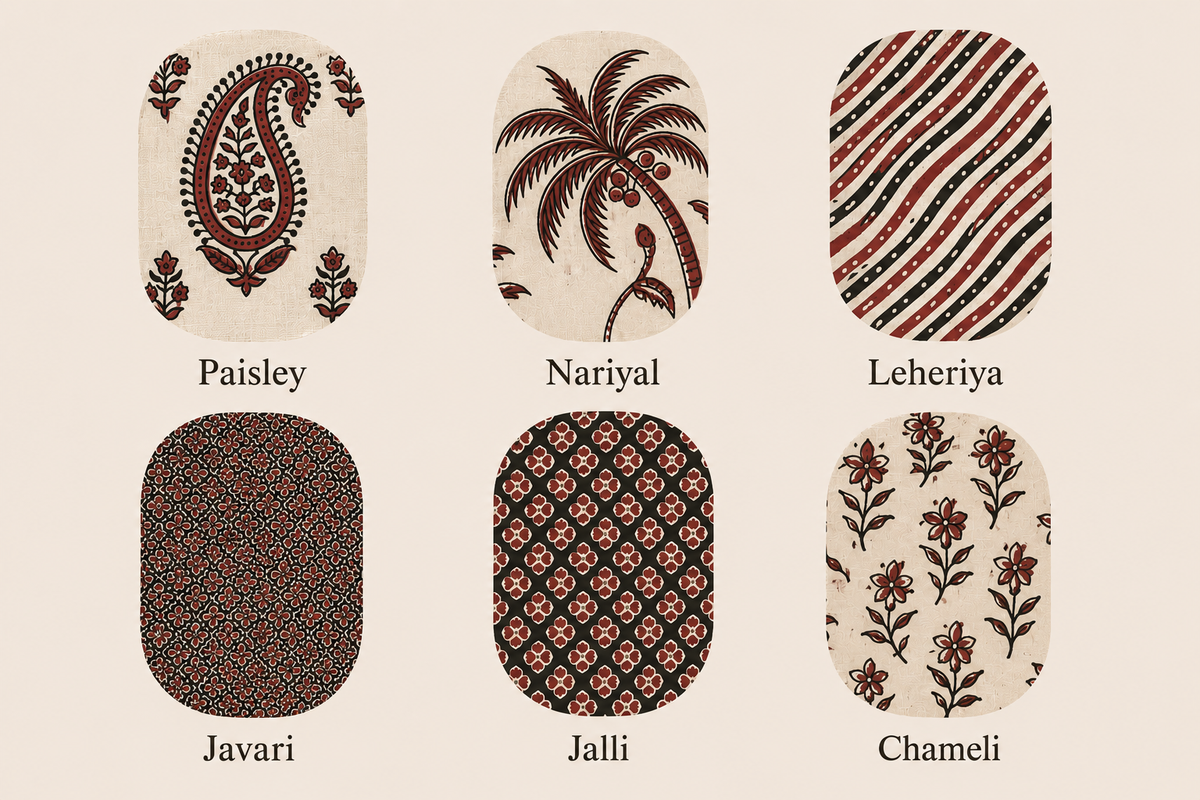
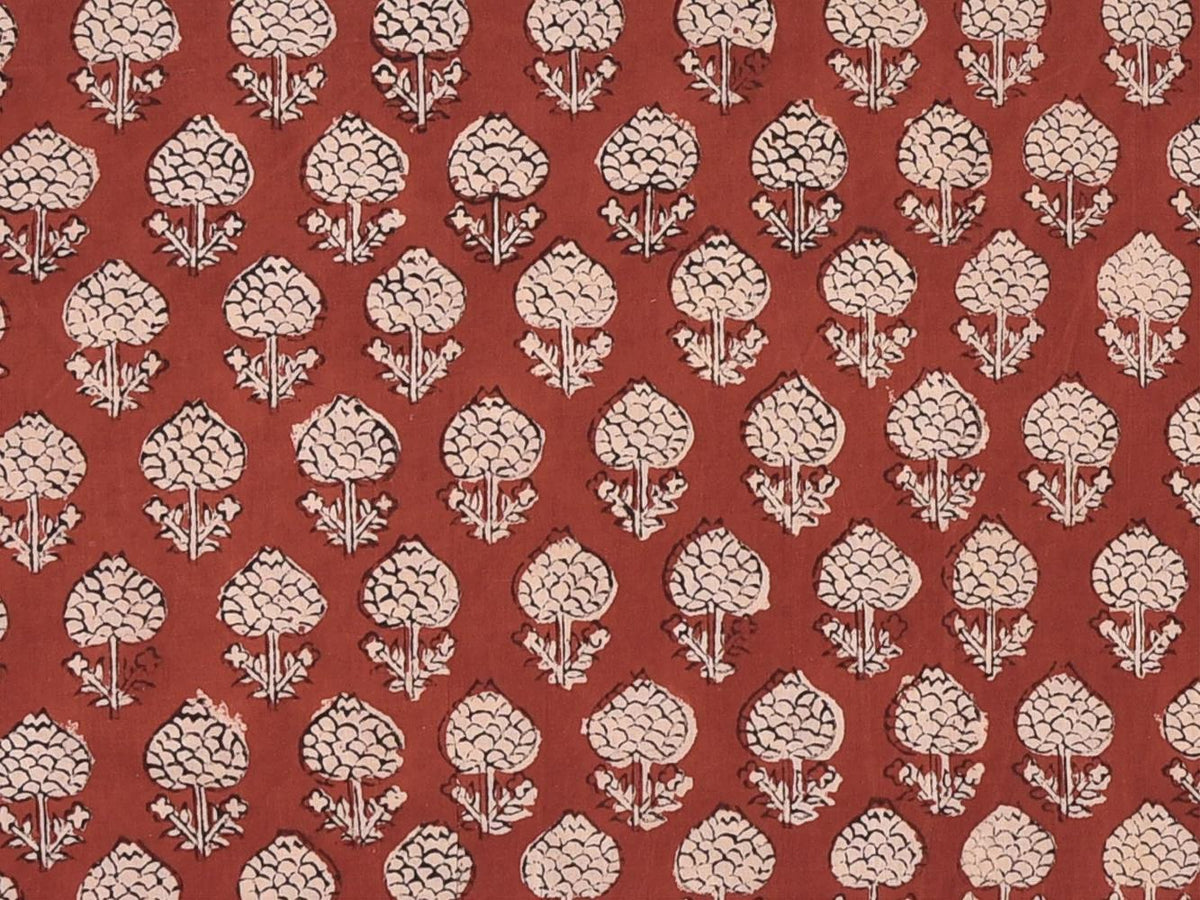
Born in the heart of Rajasthan, Bagru textiles are nature inspired, hand block printed fabrics. Unlike many modern textile production systems that prioritize speed and scale, Bagru printing thrives on patience. Every motif, every colour layer, and every finished textile is the result of a carefully orchestrated process passed down through generations.
But what actually makes Bagru textiles so special?
Is it the intricate pattern? The centuries-old technique? The natural earthy hues? Or perhaps the fact that every meter of fabric carries the imprints of human hands, sustainable craftsmanship and community identity rather than industrial machines?
The answer is the harmonious blend of all these elements.
Bagru print originated nearly 4 centuries ago, through the skilled hands of Chhipa community, a group of traditional printers who migrated from various regions of Rajasthan and settled in the Bagru near the Sanjaria river, as it provided the necessary water for dyeing and printing.
Over centuries, Bagru textiles evolved from being everyday wear for local communities to becoming globally admired handcrafted treasures, celebrated for their artistic value and sustainable production methods.
The process begins with thoroughly washing natural fabrics, usually cotton, to remove impurities and prepare them for printing. The fabric is then treated using traditional natural ingredients that help the dyes bind effectively to the cloth. Skilled artisans carefully hand-stamp intricate patterns onto the fabric using finely carved wooden blocks, ensuring precision in every impression. Natural dyes derived from sources such as indigo, iron, pomegranate peel, and other plant-based materials are then applied, giving Bagru its signature earthy palette. Finally, the printed fabric is dried under the sun and finished by hand, allowing the colors and patterns to develop their distinctive depth and character.
The result? No two pieces are exactly alike. Those slight variations are not imperfections, they are a hallmark of originality.
How to identify authentic Bagru print from a machine print
What truly sets Bagru print apart is its commitment to nature.
-
Natural hues - It is characterised by an earthy palette: deep indigos, earthy reds, sunlit yellows, muted greens, blacks and many others, derived from plants, minerals and organic materials. These natural dyes lend the textiles a timeless beauty, reflecting the landscapes and traditions from which they emerge.
-
Distinctive Imperfections – Every slight misalignment between two printed motifs is evidence that a human hand once paused, aligned, and stamped the fabric. What industrial printing considers an imperfection, Bagru celebrates as proof of authenticity.
-
Handcrafted Excellence – Every print reflects the artisan's skill and precision.
-
Timeless Patterns – Traditional motifs remain relevant across generations.
-
Sustainable Production – Minimal environmental impact compared to industrial printing.
How to style Bagru textiles.
Whether styled for work, travel, festive gatherings, or everyday wear, its understated elegance adapts effortlessly to contemporary wardrobes. Pair a Bagru kurta with straight pants for a sophisticated everyday look, style a crop top or printed shirt with denim for a modern fusion outfit, or choose a flowy dress or co-ord set for relaxed elegance. For a boho chic look, pair a tank top with a Bagru printed skirt and layer it with a matching scarf or shrug. A Bagru saree, blazer, or printed dupatta can easily elevate your wardrobe, while handcrafted jewellery and minimal accessories beautifully complement the rich patterns without overpowering them.